Kawaii Penguin Baker: A Designer’s Review
As an embroidery designer who has spent countless hours digitizing and testing files for real-world application, I approach every new machine embroidery design with a critical eye. It is not enough for a graphic to look cute on a screen; it must translate flawlessly into thread. Recently, I evaluated the Kawaii Penguin Baker on a Cake design, and I want to share my practical insights for fellow crafters, Etsy sellers, and apparel decorators considering this asset for their next project.
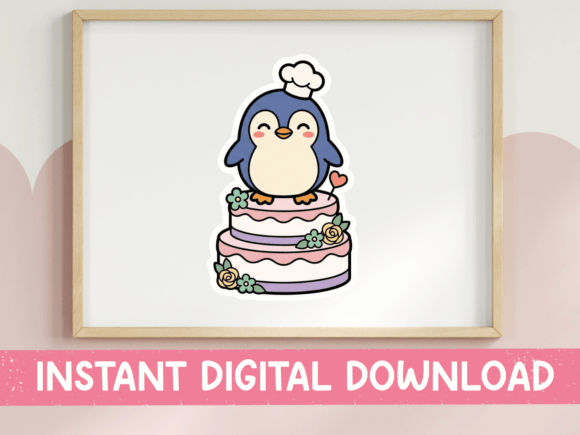
The first impression of this design is undeniably charming. It features a small, blue-grey penguin donning a crisp white chef hat, perched atop a three-tier cake. The aesthetic is soft, rounded, and inherently friendly, fitting perfectly into the popular "kawaii" trend that dominates current T-Shirt Designs and nursery decor. For those of us in the business of creating handmade products, visual appeal is the hook, but stitch quality is what retains customer trust. This design leans heavily on clean lines and distinct color blocks, which is generally a positive indicator for stitching clarity.
Real-World Application: The Custom Tote Test
To truly understand how this embroidery file performs, I simulated a common commercial scenario: a custom order for a bakery-themed tote bag. The client wanted something whimsical yet professional for their small shop merchandise. I placed the Kawaii Penguin Baker on a Cake on a natural canvas tote, using a standard medium-weight cut-away stabilizer.
The result was impressive. The blue-grey tones of the penguin contrasted beautifully against the neutral fabric, while the white chef hat provided a bright focal point. Because the design is relatively compact, it did not overwhelm the bag’s surface area. This balance is crucial for tote bag design projects, where oversized graphics can distort the fabric or feel heavy. The tiered cake structure offered a stable base for the composition, preventing the design from feeling top-heavy or unbalanced during the stitching process.
Versatility Across Product Lines
Beyond totes, this graphic demonstrates significant versatility. For sweatshirt embroidery, the design’s moderate density works well on thicker fabrics like fleece or cotton blends. The rounded shapes of the penguin and the cake tiers minimize the risk of puckering, a common issue when stitching large solid areas on stretchy materials. If you are running a craft business focused on winter wear, this could easily become a bestseller, especially when paired with seasonal marketing.
For baby embroidery projects, such as onesies or bibs, the kawaii style is naturally appropriate. However, caution is required. Infants have sensitive skin, so ensuring that the back of the stitching is smooth and free from scratchy trimmings is essential. I recommend using a soft tear-away stabilizer for these items to maintain comfort. Additionally, the thread colors should be checked for colorfastness, as baby items undergo frequent washing.
This design also translates well to embroidered patch creation. By adding a satin stitch border around the entire motif, you can create a standalone applique that customers can iron or sew onto jackets, hats, or backpacks. This adds value to your design assets library, allowing you to offer multiple product types from a single digital purchase.
Technical Considerations and Stitching Nuances
While the design is visually appealing, there are technical aspects that require attention. The white chef hat and the frosting details on the cake likely utilize satin stitch or dense fill stitch techniques to achieve a smooth, solid look. On dark fabrics, this can present a challenge. If you are stitching on black or navy garments, you may need to adjust the underlay or use a lighter backing material to prevent the dark fabric from showing through the white threads. Always test your thread color contrast on scrap fabric before committing to the final finished product.
The stitch density appears moderate, which is beneficial for production speed and fabric integrity. However, the tiny details, such as the penguin’s eyes or small decorative elements on the cake, must be inspected closely. If these details are too small, they may get lost in the stitching or cause thread breaks. I advise zooming in on your embroidery software to verify that these micro-details are digitized with sufficient stitch count to hold their shape. If the design includes any running stitch outlines, ensure they are secure and not prone to unraveling after wash cycles.
Another critical factor is hoop size. While the description notes it is a "small" penguin, you must confirm the exact dimensions provided in the file package. Ensure your hoop can accommodate the full height of the three-tier cake without needing to re-hoop, which can lead to alignment issues. For curved surfaces like caps, this design might be tricky due to the vertical height of the cake. It is better suited for flat or slightly curved areas, such as the front panel of a cap or the chest of a shirt.
Commercial Viability and Brand Consistency
For Etsy sellers and small shop product creators, consistency is key. The Kawaii Penguin Baker on a Cake fits seamlessly into brands that focus on sweetness, baking, or animal lovers. It creates a cohesive look when paired with other kitchen-themed or animal-themed Graphics. Using this design in your printable mockup previews can significantly boost buyer engagement, as the cute factor encourages social sharing.
When selling custom apparel or personalized gifts, the perceived value of the embroidery matters. A clean, well-digitized design signals professionalism. Customers are more likely to trust a seller whose products show no loose threads, proper tension, and clear detail. This design, when executed correctly, enhances that perception. It is not just a picture; it is a tactile experience that adds weight and quality to the item.
Final Designer Notes
Before integrating this digital embroidery file into your workflow, take these practical steps:
- Test on Scrap Fabric: Always run a test stitch-out on the same fabric type you plan to use for the final product. This helps identify tension issues or color clashes.
- Check Licensing: Confirm whether the license allows for commercial use. Most designers allow you to sell finished physical items, but reselling the digital file itself is typically prohibited.
- Inspect Small Details: Zoom in on the penguin’s face and cake decorations. Ensure they are large enough to stitch cleanly at your intended size.
- Consider Fabric Texture: Avoid using this design on highly textured fabrics like terry cloth or heavy wool, as the fine details may get lost in the pile.
- Mockup Variations: Create mockups on both light and dark backgrounds to see how the white elements perform. You may need to adjust brightness or add a backing layer for dark garments.
In conclusion, the Kawaii Penguin Baker on a Cake is a strong contender for your next embroidery project. It balances cuteness with technical feasibility, making it suitable for a wide range of applications from holiday embroidery gifts to everyday commercial embroidery stock. By paying attention to stabilizer choice, thread contrast, and fabric suitability, you can ensure that this charming penguin brings joy to your customers and profit to your business.