Retro Lemon Character Design: An Embroidery Review
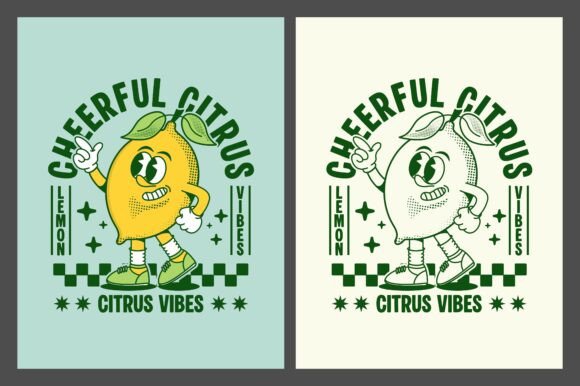
As a designer who has spent countless hours digitizing and stitching, I approach every new asset with a mix of curiosity and skepticism. We have all been there: you download a digital embroidery file that looks vibrant on screen, only to find it turns into a tangled mess of thread once the needle hits the fabric. That is why I took a close look at the Poster Retro Lemon Character Design. This isn't just another clipart bundle; it is a retro lemon character vector set with a distinct vintage cartoon mascot vibe, originally pitched for streetwear branding and groovy posters. But does it translate to the hoop?
My first impression was focused on the visual personality. The design exudes a playful, mid-century modern energy. It is bold, slightly quirky, and undeniably cheerful. For an embroidery project, this kind of strong visual identity is crucial. You want a design that communicates its mood even from a distance. The shapes are organic yet structured, which suggests that with proper digitizing, it could hold up well under the tension of the machine. However, because this asset is described as featuring color and line-art styles for digital printing, we have to bridge the gap between print-ready vectors and stitch-ready paths.
From Vector to Stitch: Real-World Application
I recently worked on a custom order for a local boutique owner who wanted to launch a line of summer-themed tote bags. She needed something that felt nostalgic but fresh. The Poster Retro Lemon Character Design came to mind immediately. The challenge here is translation. A vector graphic relies on smooth gradients and crisp lines, while embroidery relies on thread direction and density.
If you are using this as a basis for a machine embroidery design, you must pay attention to the line-art elements. Thin lines in a vector do not always translate to a single running stitch effectively. In my test run on a cotton canvas tote bag design, I found that converting the thicker outlines into a satin stitch provided the necessary coverage and definition. The fill areas, particularly the yellow body of the lemon, required a careful balance. Too dense, and the fabric puckers; too sparse, and the background shows through, ruining the vintage aesthetic.
This design shines in applications where boldness is preferred over intricacy. It is ideal for sweatshirt embroidery, where the texture of the fleece can swallow up finer details. The retro mascot style stands out against the soft, fuzzy surface, creating a tactile contrast that customers love. It also works beautifully for an embroidered patch. By stitching the design onto a twill backing and cutting it out, you create a durable, professional-looking badge that can be ironed or sewn onto jackets, hats, or backpacks. This adds significant perceived value to the finished product.
Navigating Fabric and Hoop Constraints
While the design is versatile, it is not universal. As an experienced reviewer, I must highlight where caution is needed. The Poster Retro Lemon Character Design features specific curves and corners that require precise stitch angles. If you are working with stretchy fabrics, such as jersey knits for custom apparel or baby embroidery items, stabilization is non-negotiable. Without a high-quality cut-away stabilizer, the pull of the thread will distort the lemon’s shape, turning your cute mascot into a lopsided blob.
Hooping is another critical factor. If you are aiming for a small hoop size, such as a 4x4 inch frame for a pocket logo, you may need to simplify the design. The intricate line-work mentioned in the product description might become indistinguishable at a smaller scale. In these cases, I recommend removing the finest details and focusing on the main silhouette. Conversely, on larger projects like pillow covers or wall art, you have the freedom to let the design breathe, allowing for more complex fill stitch patterns that mimic the texture of the original vector art.
Dark fabrics present another hurdle. The bright, citrusy thread colors inherent to this design pop beautifully on white or pastel backgrounds. However, on navy or black fabric, you will need to use an underlay stitch effectively to prevent the dark fabric from peeking through the yellow threads. A tatami underlay or a dense zigzag base can provide the necessary opacity, ensuring the retro vibe remains vibrant rather than muddy.
Commercial Viability and Brand Consistency
For Etsy sellers and craft business owners, consistency is key. The Poster Retro Lemon Character Design offers a cohesive look that can anchor a brand identity. Whether you are creating holiday embroidery gifts for summer parties or year-round small shop product listings, this mascot can become recognizable. Customers are drawn to handmade items that feel curated and intentional. A well-executed version of this design signals professionalism.
However, you must verify the licensing terms. The product description notes it is a vector set for streetwear and digital printing. Before selling commercial embroidery items, confirm that the license extends to physical goods created via machine embroidery. Many digital assets have different rules for print-on-demand versus handmade physical products. Never assume; always check. Additionally, since this is provided as a vector set, you will likely need to digitize it yourself or hire a digitizer. This step is crucial. A poor auto-digitize job will result in excessive jump stitches and poor thread coverage, undermining the quality of your handmade product.
Practical Designer Notes for Best Results
To get the most out of this asset, follow these practical steps before committing to your final fabric:
- Test on Scrap Fabric: Always run a test stitch-out on the same material you plan to use for the final item. This reveals issues with tension and density.
- Check Thread Contrast: Ensure your yellow threads have enough contrast against the background. If using a cream fabric, consider adding a subtle outline in a darker shade to define the edges.
- Review Stitch Density: Adjust the density based on the fabric weight. Heavier fabrics like denim can handle denser stitches, while lightweight linens require a lighter touch.
- Inspect Small Details: Zoom in on the digitized file. Look for tiny jumps or unnecessary trims that can weaken the thread or cause nesting.
- Mockup in Black and White: Convert your design to grayscale in your software. If the shape loses its definition without color, the structural digitizing needs work.
- Confirm Licensing: Double-check if the design assets allow for commercial use in physical embroidery projects.
In conclusion, the Poster Retro Lemon Character Design is a promising candidate for embroidery projects, provided it is treated with technical respect. It bridges the gap between retro graphic design and tactile craft. For those willing to invest the time in proper digitizing and testing, it offers a unique opportunity to create standout T-Shirt Designs and Graphics that feel both nostalgic and modern. It is not just about stitching a lemon; it is about capturing a mood. When executed correctly, this design elevates a simple piece of fabric into a conversation-starting piece of art.