Review: Fall Coquette Brushstroke T-Shirt Design
As an embroidery designer who spends more time staring at digitized paths than I do sleeping, I have learned to be skeptical of trendy graphics. The market is flooded with T-Shirt Designs that look fantastic on a screen but turn into a tangled mess of thread breaks and puckering once they hit the hoop. However, when I first loaded the Fall Coquette Brushstroke T-Shirt Deisgn into my software, I paused. It wasn’t just another generic autumn leaf cluster. There was a deliberate playfulness here, mixing bold typography with the soft, feminine aesthetic of the coquette trend.
I decided to put this design through its paces, not just as a digital asset, but as a potential centerpiece for real-world embroidery projects. My goal was to determine if this graphic could hold up under the needle, maintain its visual charm on textured fabrics, and ultimately drive sales for small business owners and Etsy sellers.
First Impressions: Mood and Visual Personality
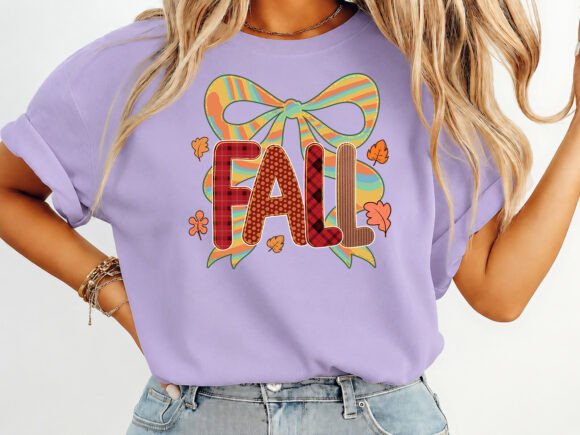
The immediate vibe of the Fall Coquette Brushstroke T-Shirt Deisgn is cozy yet chic. It captures that specific moment in October when you want to wear oversized sweaters but still feel put-together. The bold “FALL” typography serves as the anchor, but it is the details that sell the concept. The integration of cozy plaid patterns within the lettering adds a layer of complexity that mimics actual fabric textures, while the colorful retro bow provides a focal point that draws the eye upward.
From a design perspective, the balance between the heavy brushstrokes and the delicate leaves is crucial. In many Graphics intended for print, these elements might overlap too much, causing ink bleed. In embroidery, however, this separation is vital. The design appears to have enough negative space to allow each element to breathe, which is a promising sign for stitch clarity. The mood is inviting, making it an ideal candidate for personalized gifts and boutique branding that aims for a warm, approachable aesthetic.
Real-World Application: Beyond the T-Shirt
While the title suggests this is strictly for tees, my experience tells me that versatile designs are the backbone of a profitable craft business. I tested the concept mentally against various substrates. For sweatshirt embroidery, the bold lines of the typography would stand out beautifully against French terry or fleece. The density of the plaid pattern would need careful management to avoid stiffness, but on a heavier garment, it would add substantial value.
I also considered this for a tote bag design. Canvas is forgiving, but it requires robust stitching. The retro bow accent, with its potential for varied thread colors, could pop vibrantly against natural cotton or muted olive drab. For smaller items, such as a baby embroidery project on a onesie, the scale would need significant adjustment. The tiny leaves might become lost or cause needle deflection on such a small hoop. Therefore, while the design is versatile, it is not universally scalable without re-digitizing or careful size selection.
Another interesting application is the embroidered patch. With the right backing and satin stitch borders, this design could become a standalone accessory. Patches are high-margin items for small shop products, and the coquette aesthetic is currently driving significant engagement on social media platforms. A well-executed patch using this design could serve as a powerful marketing tool for brand consistency.
Technical Considerations for Embroiderers
Here is where the rubber meets the road. A pretty picture does not guarantee a smooth run. When evaluating the Fall Coquette Brushstroke T-Shirt Deisgn for production, several technical factors come into play.
- Stitch Density and Fabric Texture: The plaid detailing within the letters suggests a fill stitch pattern. If the density is too high, it will pull on lightweight fabrics, causing puckering. I strongly advise testing this on scrap fabric similar to your final product. If you are working with thin jersey knits, a cut-away stabilizer is non-negotiable. For woven cottons, a tear-away might suffice, but always test first.
- Thread Color Contrast: The design relies on the interplay between the bold text and the accents. On dark fabrics, ensure your thread colors have enough brightness to stand out. A navy blue thread on a black shirt will vanish. Use your machine’s preview mode to simulate different colorways before committing to the hoop.
- Small Details and Corners: The cute leaves and the edges of the bow require precise needle penetration. Check the digitizing for tight corners. If the design uses too many directional changes in a small area, you may experience thread breaks. Trimming jump stitches carefully will be essential to maintain a professional finish.
- Hoop Size Constraints: Verify the dimensions of the design against your available hoops. If the design is large, you may need a 5x7 or larger hoop. Attempting to squeeze a large design into a 4x4 hoop by resizing it can distort the proportions, making the bow look squat and the letters unreadable.
Navigating Challenges: Where to Be Careful
No design is perfect for every scenario. There are specific situations where the Fall Coquette Brushstroke T-Shirt Deisgn might struggle. Curved surfaces, such as caps, present a challenge due to the width of the typography. The design might wrap awkwardly around the crown, distorting the lettering. If you intend to use this for headwear, consider placing it on the side panel or ensuring the design width is narrow enough to sit flat.
Additionally, be cautious with stretchy fabrics. The dense areas of the plaid pattern can act like a rigid plate on a flexible shirt. This can cause discomfort for the wearer and lead to seam distortion after washing. Always use appropriate stabilizers and consider underlay stitches that promote flexibility. If you are new to commercial embroidery, start with stable wovens before attempting this on high-stretch performance fabrics.
Enhancing Product Value and Customer Trust
Why does this matter for your bottom line? Because presentation drives perception. A clean, well-stitched Fall Coquette Brushstroke T-Shirt Deisgn signals quality. It shows that you understand current trends but also respect the craft. For Etsy sellers and handmade shop owners, this translates to higher perceived value. Customers are willing to pay more for a personalized gift that looks professionally executed rather than mass-produced.
Using this design in your printable mockup portfolios can also boost engagement. Show the design on a variety of items—aprons, pillow covers, and kitchen towels—to demonstrate versatility. This helps buyers visualize the product in their own lives, increasing the likelihood of conversion. Remember, you are not just selling an embroidered item; you are selling the feeling of autumn comfort and stylish nostalgia.
Final Verdict and Practical Advice
The Fall Coquette Brushstroke T-Shirt Deisgn is a strong contender for your fall catalog. It balances trendiness with classic autumn motifs, making it appealing to a broad audience. However, success lies in the execution. Do not assume the digital file is ready for prime time without verification.
- Check Licensing: Before selling any finished product or using this in commercial projects, confirm the license terms. Ensure you have the rights to use the design for physical goods and digital previews.
- Test Run: Always stitch out a test sample. Check for thread breaks, tension issues, and registration accuracy.
- Material Match: Pair the design with fabrics that complement its weight. Heavy designs need heavy fabrics; light designs need light fabrics.
- Quality Control: Inspect the back of the embroidery. Clean trimming and proper stabilizer removal are hallmarks of a professional maker.
In conclusion, this design offers a fresh take on seasonal apparel. It moves beyond the standard pumpkin patch clichés and offers a sophisticated, playful alternative. For the experienced embroiderer willing to pay attention to detail, it is a valuable asset. For the beginner, it is a great learning opportunity in managing complex fills and small details. Treat it with respect, test it thoroughly, and it will likely become a staple in your holiday embroidery lineup.