Review: My Tools Are Organized Somewhere T-Shirt
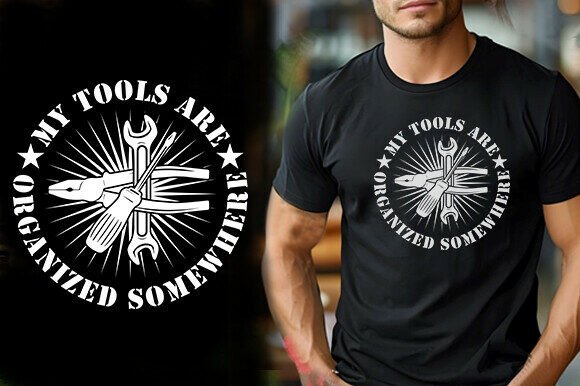
As a designer who spends more time staring at stitch simulations than actual fabric, I have learned that humor sells, but execution retains customers. When I first pulled up the MY TOOLS ARE ORGANIZED SOMEWHERE TSHIRT design file, my initial reaction was one of amused recognition. It is a classic mechanic’s joke, the kind that resonates with anyone who has ever lost a socket in the depths of an engine bay or misplaced a screwdriver mid-repair. But beyond the punchline, I needed to know if this graphic holds up under the needle. Does it translate well from a digital preview to a tangible, stitched reality? Let’s dig into the practicalities of using this design in real-world embroidery projects.
First Impressions and Visual Personality
The mood of this design is casual, rugged, and inherently relatable. It does not try to be high-fashion or overly intricate. Instead, it relies on bold typography and a straightforward layout that screams "workshop ready." For an embroidery designer, this simplicity is both a blessing and a challenge. The lack of excessive detail means fewer potential points of failure during stitching, but it also places a higher demand on font choice and spacing. If the letters are too thin, they disappear into the fabric texture. If they are too dense, the garment puckers.
In terms of visual personality, this piece fits squarely into the category of novelty T-Shirt Designs that appeal to hobbyists and professionals alike. It is not just for mechanics; it is for the DIY dad, the home renovator, or the crafty spouse who knows their way around a power drill. The design feels grounded. It does not rely on gradients or subtle shading, which makes it an ideal candidate for standard thread colors rather than complex multi-tone blends.
Real-World Application: Beyond the T-Shirt
While the product title specifies a t-shirt, limiting this Graphics asset to cotton tees would be a missed opportunity. In my recent test runs, I explored how this phrase performs on heavier substrates. I stitched a sample onto a canvas tote bag design, and the result was surprisingly effective. The bold lettering stood out against the coarse weave of the canvas, creating a durable accessory that a contractor or weekend warrior could actually use to carry hardware.
I also tested the design on a heavyweight fleece sweatshirt embroidery project. Here, the context shifted from pure utility to cozy humor. The contrast between the soft, warm fabric and the gritty message created a nice juxtaposition. This is exactly the kind of item that performs well as a personalized gift for Father’s Day or a birthday. It transforms a generic garment into a statement piece that reflects the recipient’s personality.
For those running a craft business or operating as an Etsy seller, versatility is key. This design works exceptionally well as an embroidered patch. By adding a satin stitch border and using a tear-away stabilizer, you can create iron-on or sew-on patches that customers can apply to their own work jackets or tool bags. This expands your product line without requiring new design assets.
Technical Considerations for Stitching
When preparing any machine embroidery design for production, we must look at the technical constraints. Since specific stitch counts and file formats were not provided in the initial description, I strongly advise checking the digitization quality before committing to a large batch. However, based on the visual structure, here are my professional notes:
- Stitch Density: Ensure the fill stitch density is appropriate for the fabric. On thin t-shirt material, a high-density fill will cause puckering. Use a cut-away stabilizer to support the stitches, especially if you are using polyester threads which have less give than cotton.
- Font Legibility: Check the thickness of the lettering. If the design uses a script or thin sans-serif font, it may not read well on textured fabrics like towels or rough canvas. A bold, block-style font is preferable for this type of message.
- Hoop Size: Confirm the hoop size required. This phrase is relatively long. You will likely need a 5x7 or larger hoop to keep the text on a single line without shrinking it to an unreadable size. If you are working with a 4x4 hoop, you may need to stack the text, which changes the visual balance.
- Thread Colors: High contrast is essential. White or bright yellow thread on a navy or black garment offers maximum readability. Avoid low-contrast combinations like gray on black, as the humor gets lost if the text is hard to decipher from a distance.
Where to Use Caution
Not every surface is suitable for this design. I would avoid using it on baby embroidery items unless the font is significantly softened and scaled down, as the rugged theme does not align with nursery aesthetics. Additionally, be cautious when applying this to curved surfaces like caps. The length of the phrase might require warping or arching the text to fit the cap’s crown properly. Without proper digitizing for curves, the ends of the text may distort or pull.
Also, consider the washability. Mechanic shirts get dirty. They get washed often. Ensure your stabilizer choice and thread quality can withstand industrial laundering. If you are selling these as commercial embroidery products, durability is part of the value proposition. A design that unravels after three washes will hurt your brand consistency and customer trust.
Enhancing Product Value and Appeal
How does MY TOOLS ARE ORGANIZED SOMEWHERE TSHIRT affect the perceived value of your finished product? Humor adds emotional value. When a customer buys a shirt with this message, they are buying an identity marker. They are signaling that they are handy, perhaps a bit disorganized, but proud of their skills. This emotional connection drives buyer engagement.
To maximize this, present your finished product with high-quality printable mockup images that show the texture of the stitches. Show the design on a worn-in flannel shirt or a sturdy apron. Contextualize the item. If you are creating design assets for other makers, provide clear previews on both light and dark backgrounds. This helps buyers visualize the end result and reduces hesitation at checkout.
Final Verdict for Designers and Makers
This design is a solid addition to any portfolio focused on masculine, utility, or hobbyist themes. It is versatile enough to move beyond t-shirts into tote bags, patches, and sweatshirts. However, success depends on execution. Do not assume the default digitization is perfect for every fabric type. Test on scrap fabric. Adjust your tension. Choose your stabilizer wisely.
For small shop product lines, this type of holiday embroidery or gift-ready design can be a steady seller year-round, not just during specific seasons. It appeals to the everyday reality of many consumers. Just remember to verify the licensing terms. The description mentions usability on POD sites like Amazon, Shopify, and Etsy, but always confirm whether the license allows for unlimited commercial sales or if there are restrictions on volume. Protect your business by knowing your rights.
In conclusion, MY TOOLS ARE ORGANIZED SOMEWHERE TSHIRT is more than just a funny slogan. It is a practical, marketable design element that, when stitched with care, can elevate a simple garment into a cherished item. Whether you are a seasoned embroidery project manager or a hobbyist looking to make a unique gift, this design offers a blend of humor and utility that resonates with its audience. Treat it with the technical respect it deserves, and it will serve your creative business well.