Reviewing EST 1775 US Army Design for Embroidery
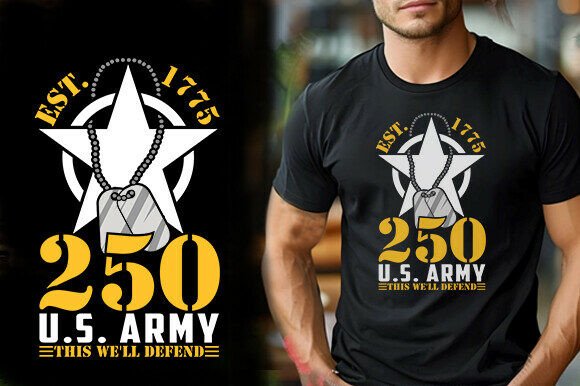
As a designer who has spent years digitizing and reviewing machine embroidery design files, I have learned that not every graphic translates well to thread. Some designs look fantastic on a screen but turn into a tangled mess under the needle. Today, I am taking a close, practical look at EST 1775 250 US ARMY THIS WE LL DEFEND T. This is not just another digital asset; it is a statement piece rooted in military heritage, and it requires a thoughtful approach to ensure it meets the high standards of veteran customers and gift recipients.
My first impression of this design is one of boldness and tradition. The typography suggests strength, while the historical reference to 1775 anchors it in the long legacy of the United States Army. For an embroidery project, this kind of thematic weight matters. You are not just stitching letters; you are stitching identity. When I loaded the file into my viewer, I looked immediately at the layout. Is it balanced? Are the lines clean? For a design intended for custom apparel, clarity is king. If the details are too fine, they will get lost in the fabric texture. If they are too dense, the garment will pucker. This design appears to strike a balance that favors readability, which is crucial for a slogan-based graphic.
Real-World Application: The Veteran’s Sweatshirt
To truly evaluate EST 1775 250 US ARMY THIS WE LL DEFEND T, I imagined a specific real-life scenario. A local craft business owner approached me about creating a line of premium gifts for Veterans Day. She wanted something that felt authentic, not like cheap merchandise. We decided to test this design on a heavy-weight charcoal gray sweatshirt. This is a common use case for sweatshirt embroidery, where the fabric provides a stable, thick base that can handle moderate stitch density without distorting.
The result was striking. The contrast between the thread colors and the dark fabric made the text pop. However, this success was not accidental. It required careful planning. I had to consider the thread colors meticulously. Using a standard white or silver thread against the charcoal created a sharp, professional look. Had we chosen a muted tone, the message would have been lost. This highlights a key point for any Etsy seller or small shop product creator: the design is only half the battle. The material choices define the final quality.
This specific design fits naturally into categories like holiday embroidery for November celebrations, or as a year-round personalized gift for active duty soldiers and retirees. It works exceptionally well on structured items like caps or jackets, where the fabric does not stretch excessively during wear. For a tote bag design, it could also serve as a central focal point, provided the bag material is canvas or a similarly sturdy textile.
Navigating Technical Challenges and Fabric Choices
While the design is strong, it is not without its technical demands. One must be cautious when applying this to challenging surfaces. For instance, using this on a curved surface like a baseball cap requires precise hooping. If the hoop size is too small for the full design, you may need to scale it down, which risks making the smaller text elements illegible. Always check the dimensions of your embroidery file against your machine’s maximum hoop capacity before starting.
Another critical consideration is fabric texture. On thin or stretchy fabrics, such as lightweight performance t-shirts, this design could cause puckering if the stitch density is too high. In such cases, using a high-quality cut-away stabilizer is non-negotiable. I always advise testing the design on scrap fabric first. This simple step saves hours of frustration and prevents ruined garments. If you are creating an embroidered patch instead of stitching directly onto clothing, you have more freedom. Patches allow for higher density and sharper edges, making them ideal for complex graphics like this one.
Be mindful of tiny lettering. If the design includes small subscript text or intricate details, verify that your machine can reproduce them cleanly. A running stitch might be used for finer outlines, while a fill stitch or satin stitch would be used for bolder elements. Understanding how the digitizer has assigned these stitch types helps you predict how the final product will feel. A heavy fill stitch on a delicate fabric will feel stiff and uncomfortable, whereas a well-balanced mix of stitches ensures durability and comfort.
Enhancing Brand Value and Customer Trust
For creative entrepreneurs and craft business owners, the choice of design directly impacts brand perception. Using a well-executed design like EST 1775 250 US ARMY THIS WE LL DEFEND T signals professionalism. Customers who buy veteran-themed items are often looking for respect and authenticity. A sloppy embroidery job with loose threads or misaligned text can damage trust instantly. Conversely, a crisp, clean execution enhances the perceived value of the finished product.
This design serves as a versatile asset for various design assets in your portfolio. It can be featured in printable mockup previews to show potential buyers how it looks on different items. Whether you are selling digital embroidery file licenses or physical handmade product items, presentation matters. Show the design on a variety of backgrounds. Test it in black and white mockups to ensure it holds up without color reliance. This practice helps you market the design more effectively to a broader audience.
Moreover, consistency is key. If you are building a brand around military or patriotic themes, this design fits seamlessly into a larger collection. It complements other T-Shirt Designs and Graphics that share a similar aesthetic. By maintaining a cohesive visual language, you build recognition and loyalty among your customers. They come to trust that your products are not just random items, but curated pieces with intent and quality.
Practical Notes for the Embroidery Designer
Before you commit to a large production run or list this item in your online store, take a moment to review the technical specifics. Since the product description does not provide exact stitch counts or file formats, you must verify these details yourself. Check if the file is compatible with your machine’s software. Common formats include PES, DST, and JEF, but compatibility varies. Ensure you have the correct version before purchasing or downloading.
- Test on Scrap Fabric: Always run a test stitch-out on the same type of fabric you plan to use for the final product. This reveals issues with tension, density, or color contrast.
- Check Thread Contrast: Select thread colors that stand out against the fabric. High contrast improves readability, especially for text-heavy designs.
- Review Stitch Density: If the design feels too stiff after stitching, consider adjusting the density settings in your software if you have the editable file, or choose a thicker fabric to support the weight.
- Confirm Hoop Size: Measure the design dimensions and ensure they fit within your machine’s hoop. Do not force a large design into a small hoop by scaling it down excessively.
- Inspect Small Details: Zoom in on the digital preview. Look for tiny elements that might break or bunch up during stitching. Simplify if necessary.
- Verify Licensing: Before selling finished items or digital products, confirm the license terms. Ensure you have commercial rights if you plan to sell the embroidered goods.
In conclusion, EST 1775 250 US ARMY THIS WE LL DEFEND T is a robust choice for those looking to create meaningful, high-quality embroidered items. It respects the subject matter and offers versatility across various apparel and home decor projects. By paying attention to fabric choice, stabilizer use, and thread selection, you can transform this digital file into a tangible product that resonates with customers. Whether you are a hobbyist making a gift for a family member or a professional decorator fulfilling a large order, this design rewards careful execution with a polished, professional result. Embrace the process, test thoroughly, and let the quality of your craftsmanship speak for itself.