Reviewing the Juneteenth 1865 Freedom Heritage Tee
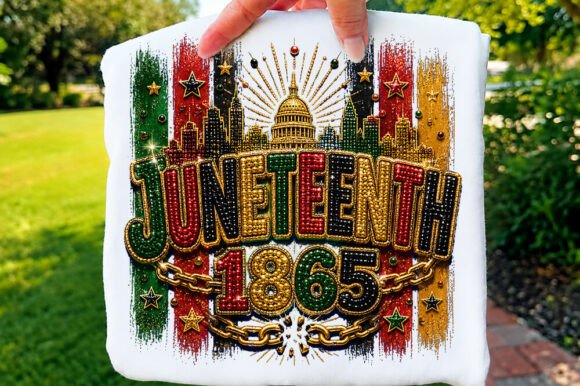
As an embroidery designer who has spent years digitizing for small businesses and hobbyists, I approach every new graphic with a critical eye. It is not just about whether an image looks good on a screen; it is about how it translates into thread, needle, and fabric. Recently, I evaluated the Juneteenth 1865 Freedom Hritage T-shirt design to determine its viability for real-world production. This piece, categorized under T-Shirt Designs and Graphics, carries a heavy historical weight, and my goal was to assess if its visual language respects that significance while remaining practical for machine embroidery.
First Impressions and Visual Mood
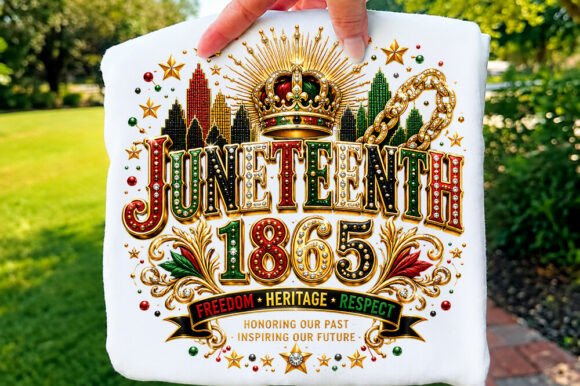
The first thing that strikes you about this design is its thematic clarity. The text "Juneteenth 1865 Freedom Heritage Respect Honoring our past Inspiring our Future" sets a tone of reverence and forward-looking hope. Visually, the layout appears balanced, aiming to honor history without feeling cluttered. For a designer, the mood is celebratory yet grounded. When I look at this as a potential machine embroidery design, I am immediately thinking about legibility. The phrase is long, which means the typography must be robust enough to hold up when converted from a PNG graphic into stitches.
The aesthetic feels suited for community events, educational workshops, or personal wear that sparks conversation. It does not scream for attention with neon colors but rather invites a closer look. This subtlety is crucial for a topic as significant as Juneteenth. The design’s personality suggests it belongs on items that are meant to be kept and cherished, rather than disposable fast fashion.
Real-World Application: The Sweatshirt Scenario
To test the practicality of this asset, I imagined a specific client project: a custom order for a local community center hosting a Juneteenth celebration. They wanted branded sweatshirt embroidery for their volunteer staff. This is a common scenario for any Etsy seller or craft business owner. The challenge here is fabric texture. Sweatshirts are thick, often fleece-lined, and have a distinct pile.
If I were stitching this Juneteenth 1865 Freedom Hritage T-shirt graphic onto a heavyweight cotton blend, I would need to consider stitch density carefully. A PNG file is print-ready, but it is not an embroidery file. This distinction is vital. As a reviewer, I must advise that you cannot simply load a PNG into your embroidery machine. You need to digitize it properly or purchase a pre-digitized version if available. Assuming proper digitization, the bold nature of the text would work well with a combination of fill stitch for larger letters and satin stitch for borders or smaller accents. This ensures the text remains readable against the textured background of the sweatshirt.
Adapting for Smaller Items
Beyond apparel, I considered how this design might function on a tote bag design or a canvas apron. These items are popular for handmade product lines because they are functional and serve as walking advertisements for the wearer’s values. On a canvas tote, the flat weave provides an excellent surface for embroidery. However, the length of the phrase "Honoring our past Inspiring our Future" requires a wide hoop. If you are working with a standard 4x4 or 5x7 hoop, you might need to split the design or reduce the font size significantly, which could compromise readability.
For baby embroidery projects, such as a onesie or a nursery wall hanging, this design might be too complex. Tiny lettering often gets lost in the stitching process, especially after washing. I would recommend simplifying the text to just "Juneteenth 1865" or "Freedom Heritage" for smaller garments to maintain clarity and comfort against sensitive skin.
Technical Considerations for Embroiderers
When working with any graphic intended for embroidery, technical preparation is half the battle. Since the product description specifies you receive one PNG file, you are starting with a raster image. Here are my practical notes for turning this into a successful embroidery project:
- Digitization is Key: Do not assume auto-digitizing software will handle the intricate curves of the font perfectly. Manual editing of stitch paths is often required to prevent thread breaks and ensure smooth curves.
- Stabilizer Selection: For stretchy fabrics like t-shirts, a cut-away stabilizer is non-negotiable. It provides the necessary support to keep the design from puckering over time. For woven fabrics like tote bags, a tear-away might suffice, but test first.
- Thread Color Contrast: The design’s impact relies on contrast. If stitching on dark fabric, use bright, vibrant threads like gold, red, or white. On light fabric, deep blues or blacks will make the text pop. Always test your thread colors on scrap fabric before committing to the final piece.
- Hoop Size Verification: Measure the dimensions of the PNG at your desired print size. Ensure your embroidery machine’s largest hoop can accommodate the full width of the phrase. If not, plan for a multi-hooping strategy, which requires precise alignment skills.
Navigating Fabric and Detail Challenges
One area where this design requires caution is in the detailing of the words "Respect" and "Heritage." If these are rendered in a script or thin serif font in the original graphic, they may not translate well to embroidery without thickening. Thin lines can disappear into the fabric weave or break easily during wear. I recommend inspecting the PNG at 100% zoom. If the lines are thinner than 2mm, you will need to adjust the digitization to use a single run of running stitch or thicken the outline.
Additionally, consider the fabric type. Textured fabrics like linen or heavy denim can obscure fine details. For these materials, a bolder, simpler version of the design is preferable. Conversely, on smooth broadcloth or high-quality t-shirt jersey, finer details can shine. Always create a printable mockup or stitch out a test sample on similar fabric to gauge the final look. This step saves time, money, and reputation, especially for small shop product lines where consistency is key.
Commercial Viability and Brand Value
For commercial embroidery professionals and digital product sellers, the value of this design lies in its timeliness and emotional resonance. Juneteenth is a federal holiday, and demand for respectful, well-designed merchandise grows each year. Using a design like Juneteenth 1865 Freedom Hritage T-shirt allows businesses to offer products that align with cultural awareness and community pride.
However, professionalism is paramount. A poorly stitched design can detract from the message. Ensuring high-quality execution builds customer trust and enhances brand consistency. When customers see a clean, crisp embroidered logo or phrase, they perceive higher value. This perception translates to better engagement and repeat business. Whether you are creating custom apparel for a corporate diversity initiative or personalized gifts for family members, the quality of the stitch work reflects the respect for the subject matter.
Final Verdict for Designers
The Juneteenth 1865 Freedom Hritage T-shirt graphic is a strong candidate for embroidery projects, provided you approach the technical conversion with care. It offers a meaningful message that resonates with current cultural conversations. Its strength lies in its textual emphasis, which makes it versatile for various apparel and home decor items. However, success depends on proper digitization, appropriate fabric selection, and meticulous stitching.
Before selling finished items or using this as a design asset in your portfolio, confirm the licensing terms associated with the PNG file. Ensure you have the right to use it for commercial purposes if you plan to sell the embroidered goods. Check with the creator regarding any restrictions. By combining this powerful graphic with skilled embroidery techniques, you can create a finished product that is both visually striking and deeply meaningful. For any maker looking to add depth to their Juneteenth collection, this design is worth the effort, as long as you respect the technical demands of translating pixels into thread.