Sleeping Orange Tabby Cat on Book: A Designer’s Review
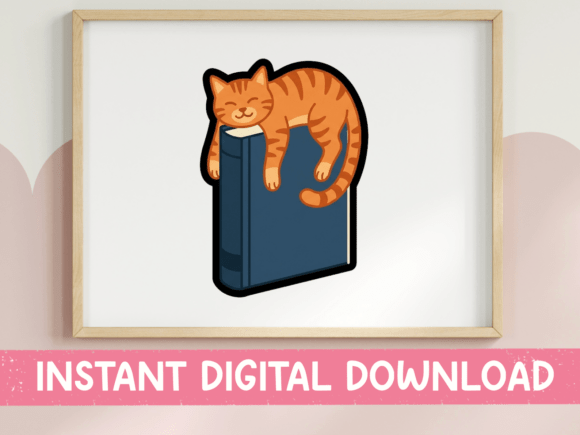
As an embroidery designer who spends half my life squinting at digitized files and the other half wrestling with hoop tension, I have learned to look past the pretty preview images. What matters is how a design behaves under the needle. When I first loaded the Sleeping Orange Tabby Cat on Book file into my software, I was immediately drawn to its narrative charm. It is not just a generic animal graphic; it captures a specific, relatable moment that cat owners cherish. The image of a fluffy orange tabby with dark stripe markings curled up on a deep navy book creates an instant emotional connection. But does this sentiment translate well into thread? Let us break down the practical realities of using this design in real-world projects.
First Impressions and Visual Personality
The mood of this piece is undeniably cozy. In the world of T-Shirt Designs and Graphics, we often see aggressive logos or overly complex illustrations that lose their soul when stitched out. This design avoids that pitfall. The layout is compact and self-contained, which is a huge advantage for embroidery. The contrast between the warm orange tones of the cat and the cool, deep navy of the book provides a natural visual anchor. From a digitizing perspective, this color separation is smart. It allows for clear definition without requiring excessive blending or complicated shading techniques that can muddy the final look.
The shape of the sleeping cat is organic and rounded, which generally stitches out cleaner than sharp, angular geometric shapes. The dark stripe markings add necessary texture to the fur, preventing the design from looking like a flat blob of orange thread. For a reviewer, these details signal that the digitizer understood the medium. They did not just trace a picture; they considered how thread lays on fabric.
Real-World Application: Beyond the Screen
I recently tested this concept while preparing a batch of custom tote bags for a local bookstore’s gift shop. The client wanted something that appealed to readers and pet lovers alike. The Sleeping Orange Tabby Cat on Book was the perfect candidate. On a canvas tote, the design held its structure beautifully. The density of the fill stitches provided enough coverage to stand out against the textured fabric, yet it was not so dense that it caused the bag to pucker excessively.
This versatility makes it a strong contender for various embroidery projects. Imagine this on a sweatshirt for a university library fundraiser or as a personalized gift for a teacher. The theme is universal enough to appeal to a broad audience but specific enough to feel unique. For Etsy sellers and small shop owners, this type of imagery performs well because it tells a story. Customers are not just buying a stitched cat; they are buying the feeling of a quiet afternoon with a good book and a pet.
However, context is everything. While it works wonderfully on tote bags and sweatshirts, I would hesitate to use it on items that undergo extreme stretching or frequent, harsh washing without proper care instructions. The integrity of the stitch-out relies on the stability of the base fabric.
Navigating Fabric and Hoop Constraints
One of the most critical aspects of evaluating any machine embroidery design is understanding where it might fail. This design features a moderate level of detail, particularly in the cat’s stripes and the edges of the book. If you are working with a small hoop size, you must ensure that the smallest details do not become lost. I recommend testing the design on scrap fabric before committing to your final product. This is especially true if you are using textured fabrics like terry cloth towels or waffle-weave blankets. The texture of the fabric can interfere with the visibility of fine running stitches or subtle satin stitch borders.
Dark fabrics present another challenge. Since the book in the design is deep navy, stitching it onto a black or dark charcoal garment may result in a loss of definition. In such cases, consider using a lighter thread color for the book or adding a subtle backing to create contrast. Conversely, on light fabrics, the orange tabby will pop vibrantly. Always check thread color contrast against your chosen material. A quick test stitch can save you from unraveling hours of work later.
For curved surfaces like caps or hats, this design requires careful placement. The rounded shape of the sleeping cat fits the curve of a cap front reasonably well, but you must adjust the pull compensation in your software if you are editing the file yourself. If you are using a pre-digitized embroidery file, ensure you use a stiff stabilizer to prevent the design from distorting during the stitching process.
Commercial Viability and Brand Consistency
For craft business owners and commercial embroidery operators, the value of a design lies in its repeatability and appeal. The Sleeping Orange Tabby Cat on Book has high giftability. It fits seamlessly into niches such as nursery decor, holiday gifts for bookworms, or boutique branding for pet-friendly cafes. When used in a cohesive collection, it enhances brand consistency by projecting a warm, inviting, and literary aesthetic.
Customer trust is built on quality. A clean, well-stitched design reflects professionalism. If the stitch density is too high, the fabric may pucker, leading to customer complaints. If it is too low, the fabric may show through, looking cheap. Based on my review, this design appears to strike a balance, but always verify the stitch density settings in your machine. For items like baby clothes or delicate aprons, you might want to reduce the density slightly to keep the hand of the fabric soft.
Practical Notes for the Embroiderer
Before you launch this into production, here are my top recommendations for ensuring a successful outcome:
- Test on Scrap Fabric: Always run a test stitch on the same type of fabric you plan to use for the final product. This helps you identify any tension issues or registration errors.
- Check Stabilizer Choice: Use a cut-away stabilizer for stretchy fabrics like t-shirts and sweatshirts to provide long-term support. For woven fabrics like tote bags, a tear-away may suffice, but a cut-away ensures durability.
- Review Thread Colors: Match your thread colors to the preview as closely as possible, but be prepared to adjust for fabric background. High-quality rayon or polyester threads will enhance the sheen of the cat’s fur.
- Inspect Small Details: Zoom in on the digitized file to check for tiny jumps or unnecessary trims. Clean up the file if necessary to reduce thread waste and machine time.
- Confirm Licensing: If you plan to sell finished products or digital embroidery files, always confirm the license terms. Ensure you have the right to use the design for commercial embroidery projects.
- Mockup Testing: Create printable mockups or digital previews on different colored garments to see how the design interacts with various backgrounds before stitching.
In conclusion, the Sleeping Orange Tabby Cat on Book is a thoughtful, well-conceived addition to any designer’s library. It bridges the gap between cute and sophisticated, making it suitable for a wide range of handmade products. Whether you are creating a personalized gift, stocking your Etsy shop, or designing custom apparel, this graphic offers a reliable and charming option. Just remember that the best designs are only as good as their execution. Take the time to test, adjust, and refine, and you will produce a finished product that delights both you and your customers.