Review: Lovely Cute Goose Duck Valentine’s Day Design
As an embroidery designer who spends more time staring at digitized paths than I care to admit, I have learned that not every cute graphic translates well into thread. We often browse marketplaces looking for the next big seller, scrolling past thousands of Illustrations and Graphics, hoping to find something that balances charm with technical feasibility. Recently, I pulled the Lovely Cute Goose Duck Valentine s Day file into my workspace to evaluate its potential for real-world application. This was not just a casual glance; I wanted to see if this design could hold up under the needle for a commercial embroidery project.
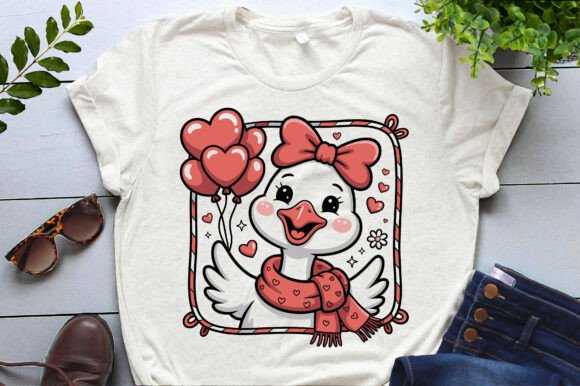
The first impression is undeniably sweet. The coquette aesthetic, combined with the whimsical nature of a goose or duck character, taps directly into current trends for soft, romantic, and playful visuals. For those of us running a craft business or working as an Etsy seller, recognizing trend alignment is half the battle. However, the other half is execution. When I opened the provided assets—specifically the high-resolution PNGs and vector files—I began assessing how these lines would behave when converted into a machine embroidery design.
From Screen to Stitch: A Real-World Test Case
To give this review practical weight, I imagined a specific scenario: creating a line of personalized Valentine’s gifts for a local boutique. The client wanted items that felt handmade but polished. I visualized using this design on a cream-colored canvas tote bag design and a pastel pink children’s sweatshirt. These are staple items for any small shop product lineup, especially during the holiday rush.
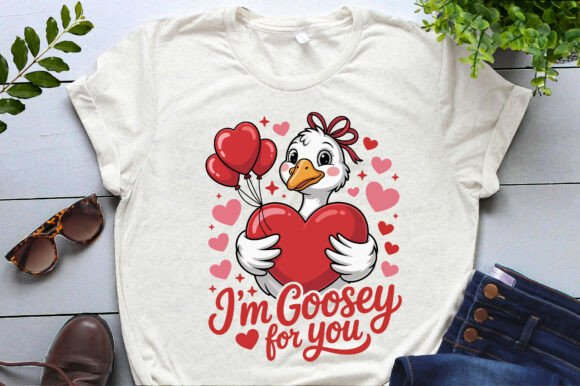
The Lovely Cute Goose Duck Valentine s Day design features clean outlines and a central character that is distinct enough to be recognizable even from a distance. In embroidery, clarity is king. If a design is too busy, it becomes a muddy mess of thread. Here, the spacing appears generous. This suggests that when digitized correctly, the stitch density can remain moderate, preventing the fabric from puckering—a common issue with dense fill stitch areas on lighter materials.
For the tote bag, I considered using an applique design approach for the main body of the goose, outlined with a satin stitch. This technique reduces bulk and adds texture contrast, which elevates the perceived value of the handmade product. The accompanying heart elements could be rendered in solid satin or a simple running stitch depending on the desired delicacy. On the sweatshirt, however, a full embroidered fill might work better to withstand the stretch of the fabric, provided a proper stabilizer is used underneath.
Navigating Fabric and Hoop Constraints
While the design is charming, it is not without its challenges. As a reviewer, I must point out where caution is needed. The details in the goose’s face and the coquette bow require precision. If you are working with a small hoop size, such as a 4x4 inch hoop, you may need to scale the design down. This risks losing the finer details, turning delicate lines into thick blobs of thread. I always advise testing the design on scrap fabric first, specifically at the intended size, to check for stitch density issues.
Fabric choice plays a massive role here. On textured fabrics like terry cloth towels or heavy denim, the fine lines might get lost. Conversely, on thin, stretchy fabrics like jersey tees, the tension of the threads can cause distortion. For baby embroidery projects, comfort is paramount. You want to avoid heavy backing and dense stitching that feels scratchy against sensitive skin. In this case, using a soft cut-away stabilizer and opting for lighter thread colors can help maintain the soft aesthetic of the Lovely Cute Goose Duck Valentine s Day motif.
Dark fabrics present another hurdle. If you plan to stitch this on a navy or black garment, you will need to ensure high contrast. The design relies on light, airy feelings, so using bright whites, pinks, and yellows is essential. However, stitching light thread on dark fabric often requires an underlay to prevent the background color from showing through. This adds steps to your production time, a factor every commercial embroidery professional must account for when pricing their custom apparel.
Commercial Viability and Brand Consistency
Why does this specific design matter for your business? It comes down to emotional connection. Valentine’s Day is driven by sentiment. A generic heart is forgettable; a cute goose wearing a coquette bow tells a story. It evokes feelings of nostalgia and tenderness. When customers see this on an embroidered patch or a pillow cover, they are not just buying a product; they are buying a feeling. This increases the likelihood of impulse buys and social media shares, which are vital for design assets marketing.
For digital embroidery file sellers, the versatility of the provided formats is a plus. The inclusion of SVG and EPS files means that buyers who do not own embroidery machines can still use the artwork for print-on-demand (POD) items, such as sublimation mugs or printed t-shirts. This broadens the market reach. However, as a responsible creator, you must verify the licensing terms. Just because a file is available does not mean it is free for unlimited commercial use. Always confirm whether the license allows for selling finished physical items versus reselling the digital file itself.
Practical Designer Notes for Best Results
Before you commit to producing a large batch of holiday embroidery items, consider these technical checkpoints:
- Test on Scrap Fabric: Never stitch directly on your final garment. Use a similar fabric weight and type to test tension and registration.
- Check Thread Contrast: View your design in black and white on your screen. If the elements blend together, you may need to adjust thread choices or add outlining stitches.
- Stabilizer Selection: Match your stabilizer to your fabric. Knits need cut-away; wovens can often use tear-away. For hats and caps, a stiff backer is non-negotiable.
- Inspect Small Details: Zoom in on the vector files. Are there tiny anchor points that might cause thread breaks? Simplify if necessary before digitizing.
- Mockup Verification: Create printable mockup images to show customers how the design looks on different products. This manages expectations and reduces returns.
The Lovely Cute Goose Duck Valentine s Day design is a strong contender for seasonal collections. It balances trendiness with timeless appeal. Whether you are creating personalized gift items for friends or stocking your online store with sweatshirt embroidery bestsellers, this graphic offers a solid foundation. Just remember that the difference between a good product and a great one lies in the technical execution. Respect the fabric, choose your threads wisely, and let the charm of the design shine through your craftsmanship.
In the end, successful embroidery is about translation. You are translating a digital Illustration into a tactile experience. With careful planning and attention to detail, this goose duck design can become a standout piece in your portfolio, delighting customers and adding a touch of whimsical love to their everyday items.