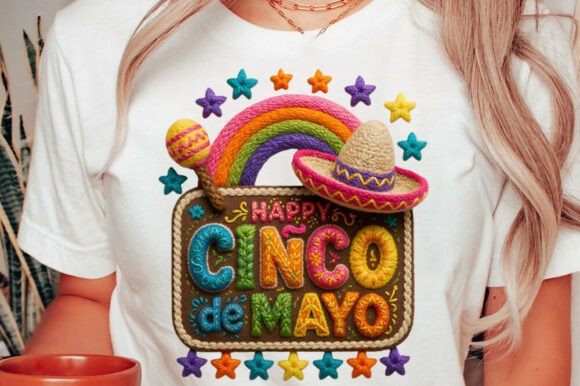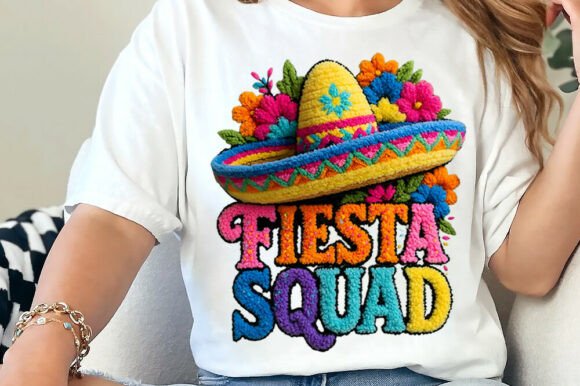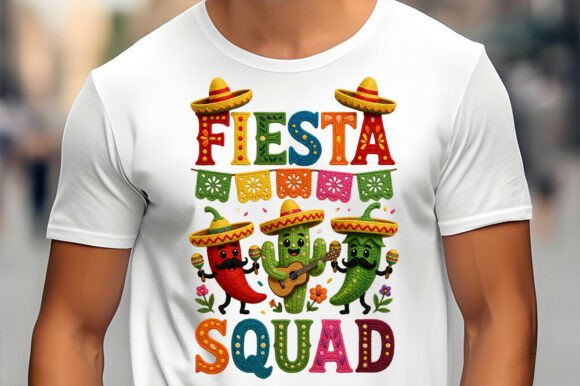
Review: Cinco De Mayo Fiesta Squad T-Shirt Design
As an embroidery designer who has spent years digitizing patterns and testing them on everything from stiff denim to delicate baby knits, I approach every new Illustrations and Graphics asset with a critical eye. We are not just looking for pretty pictures; we are looking for stitchability, marketability, and practical application. Today, I am evaluating the Cinco De Mayo Fiesta Squad T-Shirt design to see how it holds up under the needle and whether it deserves a spot in your commercial library.
The first thing that strikes me about this piece is its energy. It captures the vibrant, communal spirit of the holiday without relying on clichéd, overly complex imagery that often turns into a tangled mess of thread on smaller hoops. The layout suggests a bold, graphic style that translates well into embroidery, provided you understand the limitations of your machine and fabric. This is not just a digital file; it is a potential centerpiece for a spring collection.
First Impressions and Visual Personality
When I opened the file, I was looking for clarity. In embroidery, ambiguity is the enemy. The Cinco De Mayo Fiesta Squad T-Shirt design features strong lines and distinct shapes, which is crucial for maintaining definition after stitching. The mood is celebratory and inclusive, making it ideal for group apparel or family matching sets. From a design perspective, the balance between negative space and filled areas seems thoughtful. Too much density leads to puckering, while too little can look sparse and unfinished. This design appears to strike a middle ground that favors readability over excessive detail.
For those of us selling design assets or finished goods, visual appeal is only half the battle. The other half is execution. I immediately considered how the color palette would interact with standard embroidery threads. The festive nature of the design calls for bright, saturated thread colors, but I would advise testing contrast levels carefully. If you are stitching on a dark garment, you may need to adjust brightness or add underlay stitches to ensure the design pops rather than sinks into the fabric.
Real-World Application: Beyond the T-Shirt
While the title specifies a T-shirt, my experience tells me that versatile machine embroidery design files should be tested across multiple substrates. I envisioned this design on a canvas tote bag design. The sturdy weave of canvas supports higher stitch density better than thin cotton, allowing the details to stand out sharply. Imagine a local boutique offering these as part of a spring promotion; the "Fiesta Squad" messaging encourages bulk purchases, which is a win for any Etsy seller or craft business owner.
I also considered its potential for sweatshirt embroidery. Here, the texture of the fleece becomes a factor. A design with fine details can get lost in the pile of a sweatshirt. However, if this graphic relies on bold outlines and solid fills, it could work beautifully on a hoodie pocket or the back of a jacket. For custom apparel businesses, offering this on both lightweight tees and heavier outerwear expands your product line without requiring new digitizing work.
Another interesting angle is the embroidered patch market. Patches are trending, and a festive, group-oriented design like this is perfect for iron-on or sew-on applications. By stitching it out on twill with a satin stitch border, you create a durable accessory that customers can move between jackets, bags, and hats. This versatility increases the perceived value of the digital embroidery file.
Technical Considerations for Stitchers
Let’s talk about the technical realities. The product description notes that you receive one PNG file, print-ready at 4500x5400 pixels and 300 DPI. It is vital to understand that a PNG is a raster image, not a native embroidery file format like PES or DST. This means you cannot simply load it into your embroidery machine. You must use digitizing software to convert the image into stitches, or use it as a reference for manual digitizing. If you are not a digitizer, you will need to hire one or use auto-digitizing software, which often requires significant cleanup.
If you are converting this yourself, pay close attention to stitch density. Auto-digitizing tools tend to over-pack stitches, which can cause fabric distortion. I recommend manually adjusting the density, especially if you plan to use this on stretchy fabrics like jersey knits. Always use a appropriate stabilizer. For T-shirts, a cut-away stabilizer is usually best to prevent stretching during wear and washing. For woven fabrics like aprons or tote bags, a tear-away might suffice, but test first.
Consider the hoop size required. While the image resolution is high, the physical dimensions matter. If you intend to stitch this on a cap, you are limited by the curved surface and smaller hoop area. You may need to resize the design, which could compromise small text or intricate details. Always check the legibility of any lettering at reduced sizes. If the "Fiesta Squad" text becomes unreadable below a certain inch measurement, you must limit its use to larger garments or home decor items like pillow covers.
Navigating Fabric and Finish Challenges
Not all fabrics behave the same. When working with textured fabrics or dark materials, the visual impact of your embroidery changes. On a black T-shirt, bright greens and reds will sing, but if the design includes subtle gradients, they may vanish. I always recommend stitching a test sample on scrap fabric before committing to a final handmade product. This saves time, thread, and customer trust.
For baby embroidery projects, softness is key. High-density stitching can feel scratchy against sensitive skin. If you adapt this design for onesies or baby bibs, consider using softer threads like rayon or polyester designed for comfort, and keep the stitch count reasonable. Avoid placing large, dense areas directly against the skin.
Washability is another concern. Customers expect their personalized gift items to last. Ensure your tension settings are correct to prevent looping or breaking after multiple wash cycles. A well-stitched design should remain intact and vibrant, reinforcing the professionalism of your small shop product.
Commercial Viability and Brand Consistency
From a business standpoint, the Cinco De Mayo Fiesta Squad T-Shirt design offers strong seasonal appeal. Holiday-themed items sell well, but they have a short window. To maximize ROI, plan your production schedule early. Use the PNG file to create printable mockup images for your online store before you even stitch a single item. This allows you to gauge customer interest and pre-sell items, reducing waste.
Brand consistency is crucial. If your shop specializes in minimalist designs, this bold, festive graphic might feel out of place. However, if your brand embraces color, community, and celebration, this design fits perfectly. It enhances buyer engagement by offering a fun, shareable product. People love to post photos of matching group outfits, which provides free marketing for your commercial embroidery business.
Final Verdict and Designer Notes
In conclusion, the Cinco De Mayo Fiesta Squad T-Shirt is a promising asset for designers and makers who understand the workflow from graphic to stitch. It is not a plug-and-play embroidery file, but rather a high-quality source image that requires proper digitizing and testing. Its strength lies in its thematic relevance and bold visual structure.
Before you begin, remember these key steps:
- Verify the license terms for commercial use before selling finished items.
- Digitize the PNG carefully, paying attention to stitch direction and density.
- Test on various fabrics, including light and dark backgrounds.
- Use the correct stabilizer for each fabric type.
- Check legibility at different sizes, especially for caps and small accessories.
By treating this design with the technical respect it requires, you can create stunning finished product items that delight customers and elevate your brand. Whether you are creating a holiday embroidery special or adding to your year-round catalog, this design has the potential to be a standout performer in your shop.