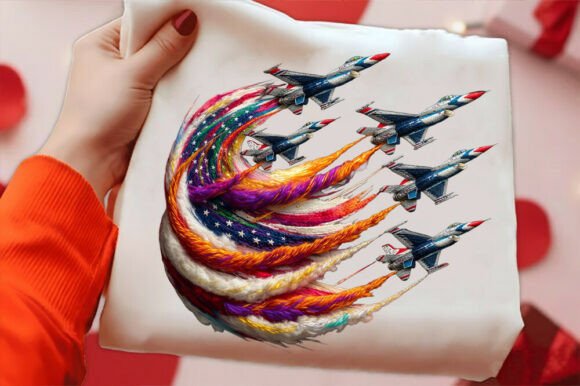
Fighter Jet Shirt, American Flag 4th of July Review
As a designer who has spent countless hours digitizing and testing embroidery patterns, I approach every new asset with a critical eye. We are not just looking for pretty pictures; we are looking for stitchability, market appeal, and technical reliability. Today, I am evaluating the Fighter Jet Shirt, American Flag 4th of design. This piece falls under the category of Illustrations and is marketed as a Graphics product, but for us in the embroidery world, the real question is how it translates from a digital file to a tangible, stitched reality.
First Impressions: Mood and Visual Personality
The immediate impact of this design is one of bold patriotism mixed with dynamic motion. The combination of a fighter jet and the American flag creates a strong narrative of strength and freedom. Visually, the layout suggests high energy. For an embroidery project, this means we are likely dealing with a mix of dense fill areas for the flag and potentially finer details for the aircraft structure. The mood is celebratory yet rugged, making it a natural fit for masculine apparel, veteran appreciation gifts, or spirited holiday wear. It does not feel delicate or subtle; it demands attention, which is exactly what you want for a statement piece on a sweatshirt or a tote bag.
Real-World Application: From Screen to Stitch
To truly understand the value of this asset, I imagined a specific scenario. A local client approached me for a custom order: a batch of heavy cotton tote bags for a community Fourth of July parade. They wanted something that would stand out in photos but remain durable enough for repeated use. The Fighter Jet Shirt, American Flag 4th of design seemed like a strong candidate. However, because the provided description notes that you receive a PNG file (Print-ready, 4500×5400 – 300 DPI), we must address a crucial technical distinction immediately.
This is a graphic illustration, not a native machine embroidery file. For an experienced designer, this is not a dealbreaker, but it is a workflow consideration. You cannot simply load a PNG into your embroidery machine. You must use this high-resolution graphic as a reference to digitize your own stitch file, or use software to auto-digitize it with careful manual editing. If you are an Etsy seller or small shop owner without digitizing skills, you must ensure you have the tools to convert this Illustration into a functional embroidery file before promising it to customers.
Performance on Different Fabrics and Hoops
When considering where this design performs best, fabric texture is paramount. The intricate details of a fighter jet and the stripes of a flag require a stable surface. I would recommend using this design on medium-to-heavy weight fabrics like cotton twill, denim, or canvas. These materials provide the necessary support for the stitch density required to render the flag’s colors vividly.
For curved surfaces like caps, caution is advised. The width of the design might exceed standard cap hoop sizes, requiring a split design or a larger hoop capability. Additionally, stitching on stretchy fabrics like performance tees requires a robust cut-away stabilizer to prevent puckering, especially given the likely density of the flag portion. If you attempt this on thin fabric without proper stabilization, the tension from the satin stitch or fill stitch areas could distort the garment, ruining the professional look of your handmade product.
Navigating Technical Challenges
There are specific areas where this design requires careful handling. Tiny lettering, if included in the graphic, often gets lost in embroidery if not properly sized up. I always advise checking the smallest elements in your preview. If the jet has fine cockpit details or insignia, these may need to be simplified during the digitizing process. Complex gradients in the sky or smoke trails do not translate well to thread; they should be converted to solid thread colors or simple running stitch outlines to maintain clarity.
Thread color contrast is another critical factor. The red, white, and blue of the flag must pop against the background fabric. If you are stitching on a dark navy shirt, you will need bright, high-quality polyester threads to ensure the design does not look muddy. Testing the design on scrap fabric is non-negotiable. Run a test stitch-out to check for thread breaks, nesting, and overall visual balance. This step saves you from costly mistakes when producing commercial embroidery items for your craft business.
Market Appeal and Customer Trust
From a business perspective, the Fighter Jet Shirt, American Flag 4th of design taps into a evergreen market: patriotic holidays. Items featuring this theme sell well not just in July, but also for Veterans Day and Memorial Day. By offering this on diverse products like aprons, pillow covers, or baby embroidery items, you expand your reach. However, customer trust hinges on quality. A poorly stitched flag looks amateurish. Ensuring that your final embroidered patch or direct-to-garment stitch work is clean, with trimmed jump stitches and proper backing, elevates the perceived value of your finished product.
For digital product sellers, this PNG serves as an excellent base for creating printable mockups. You can showcase how the design looks on various apparel types in your online listings, helping buyers visualize the final result. This enhances buyer engagement and reduces return rates due to mismatched expectations.
Practical Designer Notes for Best Results
- Verify Licensing: Before selling any finished items or digital derivatives, confirm the license terms associated with this graphic. Ensure it allows for commercial use in physical products.
- Digitize with Care: Since this is a PNG, invest time in proper digitizing. Adjust stitch density to prevent fabric stiffness, especially in the flag area.
- Test Stabilizers: Use a tear-away stabilizer for woven fabrics and a cut-away for knits. The right stabilizer ensures the design remains crisp after washing.
- Check Hoop Size: Measure the design dimensions against your machine’s maximum hoop size. You may need to resize the graphic, ensuring it remains legible.
- Color Selection: Stick to traditional patriotic threads for authenticity, or experiment with metallic threads for the jet to add a premium touch.
- Mockup Verification: Create black and white mockups to check contrast and detail visibility before committing to thread costs.
Final Verdict for Crafters and Sellers
The Fighter Jet Shirt, American Flag 4th of is a powerful visual asset for those willing to put in the technical legwork. It is not a plug-and-play embroidery file, but rather a high-quality Illustration that serves as a foundation for custom apparel and personalized gifts. For the experienced designer, it offers creative freedom to tailor the stitch types—whether using satin stitch for borders or fill stitch for the flag—to match specific fabric textures. For the hobbyist, it presents a learning opportunity in converting graphics to embroidery-ready formats. When executed with precision, this design can become a standout item in your small shop product line, driving engagement and sales through its bold, patriotic appeal. Just remember, the quality of the final embroidered product depends entirely on the care taken during the digitizing and stitching phases.