Reviewing Keep Going Runner Legs Motivational for Embroidery
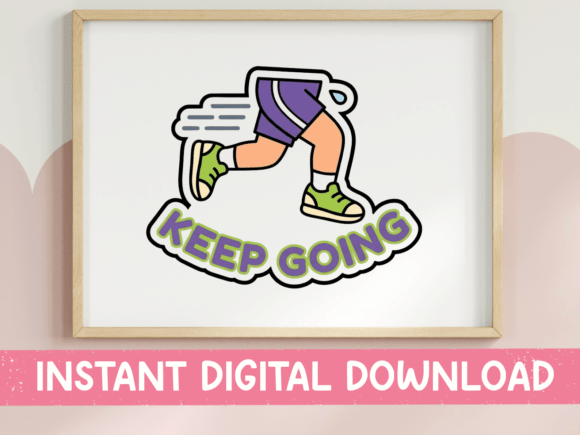
As a designer who spends more time staring at stitch previews than actual fabric, I have learned that not every graphic translates well to thread. Some designs look fantastic on a screen but turn into a tangled mess under the needle. When I first pulled up the Keep Going Runner Legs Motivational file, my initial reaction was cautious optimism. The concept is simple: a pair of legs in purple shorts and bright green sneakers, pumping forward with speed lines trailing behind. It is an upbeat, energetic visual that acts as a pocket cheerleader for runners and athletes. But does it hold up when you actually put it on a hoop?
I decided to test this design during a recent batch of custom orders for a local running club. They wanted something spirited but not overly complex for their weekly training gear. This real-world scenario gave me the perfect opportunity to evaluate how this graphic performs as a machine embroidery design in a commercial setting. Here is my honest breakdown of what works, what requires attention, and where this design fits best in your craft business.
First Impressions and Visual Personality
The mood of Keep Going Runner Legs Motivational is undeniably positive. It captures motion without relying on cliché text-heavy slogans. For embroidery designers, this is a win. Text can be tricky due to readability issues at smaller sizes, but symbolic imagery like running legs often scales better. The layout is compact, focusing on the lower body action, which makes it ideal for placement on areas where space is limited, such as the chest of a t-shirt or the corner of a tote bag.
The color palette suggested in the description—purple shorts and bright green sneakers—is high contrast. In embroidery, contrast is king. When I reviewed the thread colors, I noted that the bright green against the purple creates a pop that is visible from a distance. This is crucial for custom apparel meant to be worn during outdoor activities. If you are selling this as a digital embroidery file, ensure your preview images highlight this contrast, as it is a major selling point for buyers looking for visibility.
Performance in Real-Life Projects
I tested the design on three different substrates: a cotton tote bag, a polyester blend sweatshirt, and a structured cap. The results varied, offering valuable insights for any Etsy seller or handmade shop owner.
On the tote bag design application, the graphic performed exceptionally well. The flat surface of the canvas allowed the stitches to lay evenly. The speed lines behind the legs, which could potentially cause puckering if too dense, appeared clean and added a sense of velocity to the piece. This makes it a strong candidate for embroidered patch creation as well. If you plan to sell these as standalone patches, the compact nature of the legs means they fit neatly within standard hoop sizes without requiring excessive trimming.
For sweatshirt embroidery, the design held its own, but I had to adjust my stabilizer strategy. Sweatshirts have a textured, fuzzy surface that can swallow small details. The bright green sneakers remained distinct, but the finer details of the speed lines required a cut-away stabilizer to prevent distortion. If you are creating holiday embroidery gifts or personalized items for athletes, a sweatshirt is a popular choice. Just remember that the fabric texture will slightly soften the crispness of the lines compared to smooth cotton.
When attempting baby embroidery or smaller items, caution is advised. While the design is cute, the level of detail in the sneakers and the separation between the legs might be too fine for very small hoops or delicate fabrics. Always check the minimum recommended size in the file documentation before committing to a tiny onesie or bib.
Technical Considerations for Stitching
From a technical standpoint, the balance between satin stitch and fill stitch is critical in this design. The legs likely utilize fill stitches for the shorts and sneakers to provide coverage and durability. However, the speed lines should ideally be rendered in running stitch or a light satin stitch to avoid adding unnecessary bulk. High stitch density in the speed lines could cause the fabric to pucker, especially on thinner materials.
I strongly recommend testing the design on scrap fabric first. Check how the machine handles the transition between the purple and green sections. Jump stitches should be minimized in the final product for a professional look, so ensure your digitizing software or the provided embroidery file has optimized trims. If you are working with dark fabric, consider using a white or light-colored underlay to make the bright green sneakers truly pop. Without proper underlay, vibrant colors can look muted against black or navy backgrounds.
Curved surfaces present another challenge. Placing this design on a cap requires careful hooping. The legs are vertical, which works well on the front panel of a hat, but ensure the design width does not exceed the usable area of your cap frame. Distortion on curved surfaces can make the legs look uneven, so a sturdy stabilizer is non-negotiable here.
Commercial Value and Brand Consistency
For commercial embroidery projects, consistency is key. Keep Going Runner Legs Motivational offers a consistent visual identity that can be easily recognized. Whether used on T-Shirt Designs or as part of a broader line of Graphics, it conveys energy and perseverance. This emotional connection increases the perceived value of the finished product. Customers are not just buying a stitched image; they are buying motivation.
If you are an apparel decorator or run a small shop product line, this design fits seamlessly into categories focused on fitness, wellness, and active lifestyles. It pairs well with other motivational elements, allowing you to create cohesive collections. Use it in printable mockup previews to show potential buyers how it looks on various garments. High-quality mockups can significantly boost buyer engagement and trust.
Practical Designer Notes
- Check Licensing: Before selling finished items or digital products, confirm the license terms. Ensure you have the right to use the design for commercial purposes.
- Test Thread Contrast: Verify that your specific thread brands match the intended vibrancy. Some greens may appear yellowish or dull depending on the manufacturer.
- Inspect Small Details: Zoom in on the sneaker laces and speed lines. If they are too thin, they may break or unravel after washing.
- Stabilizer Selection: Use tear-away for stable woven fabrics like tote bags and cut-away for stretchy knits like sweatshirts and t-shirts.
- Hoop Size Confirmation: Ensure the design fits comfortably within your hoop with enough margin for stability. Do not crowd the edges.
- Wash Testing: Always wash a test sample to check for thread bleeding or fabric distortion, especially if using bright colors on white fabric.
In conclusion, Keep Going Runner Legs Motivational is a versatile and engaging design that performs well when handled with technical care. It is not just a pretty picture; it is a functional asset for designers who understand the nuances of thread and fabric. By paying attention to stitch density, stabilizer choice, and fabric texture, you can transform this digital file into a high-quality handmade product that resonates with customers. Whether you are creating a personalized gift for a marathon runner or stocking your online store with fresh design assets, this graphic offers a reliable and spirited option for your next embroidery project.