Reviewing the Egg-cited Easter Goose for Embroidery
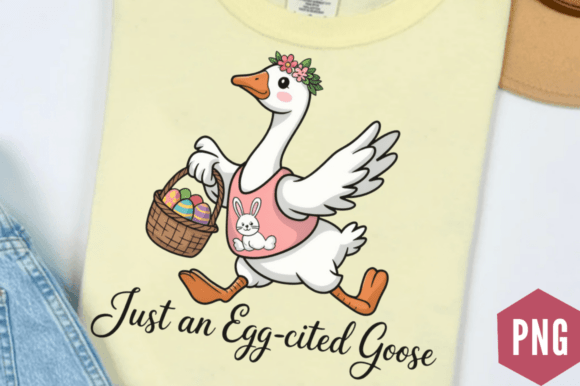
As a designer who spends more time staring at stitch maps than actual fabric, I have learned to be skeptical of cute graphics. We all know that what looks adorable on a screen can sometimes turn into a tangled mess of thread and frustration once it hits the hoop. However, when I first pulled up the Egg-cited Cute Easter Goose PNG Design, my initial reaction was surprisingly positive. It is not just another generic holiday clipart; it has a distinct personality that translates well into the tactile world of embroidery.
This review comes from the perspective of someone who needs to know if a design will actually sell, hold up in the wash, and look professional on a finished product. If you are an Etsy seller, a boutique owner, or a hobbyist looking to elevate your spring collection, here is my practical breakdown of how this graphic performs in real-world scenarios.
First Impressions: Mood and Visual Personality
The immediate vibe of the Egg-cited Cute Easter Goose PNG Design is playful and approachable. The kawaii aesthetic is strong here, characterized by soft curves and expressive features that avoid the uncanny valley often found in animal illustrations. For embroidery, this is crucial. Sharp, aggressive angles can be difficult to digitize smoothly, but the rounded nature of this goose suggests a design that will stitch out cleanly with minimal jagged edges.
The layout is balanced, which means it does not lean too heavily to one side, a common issue that causes hoop burn or fabric distortion. As a piece of digital art within the Illustrations and Graphics categories, it stands out because it feels intentional rather than assembled from random assets. The "egg-cited" pun is visually supported by the goose’s interaction with the egg, creating a narrative snapshot that customers instantly understand. This clarity is vital for small-scale embroidery where complex details get lost.
Real-World Application: From Screen to Stitch
I recently worked on a custom order for a local boutique specializing in handmade baby items. They needed a fresh, non-religious spring motif for a line of organic cotton tote bags and muslin swaddles. The Egg-cited Cute Easter Goose PNG Design was a top contender. Here is how I evaluated its potential for various projects:
- Sweatshirt Embroidery: On a crewneck sweatshirt, this design would sit beautifully on the left chest or as a larger center-piece. The bold outlines typical of kawaii styles translate well to satin stitch borders, giving the goose a defined, pop-art look against fleece or cotton blends.
- Tote Bag Design: For canvas totes, the high contrast of the design ensures visibility. Since tote bags often carry heavier loads, the design needs to be durable. A well-digitized version of this goose would hold up better than intricate floral patterns that can snag.
- Baby Embroidery: Softness is key. If used on onesies or bibs, the design should be scaled down to fit a 4x4 hoop. The simple shapes mean less stitch density, which keeps the garment comfortable against sensitive skin.
- Embroidered Patch: This is perhaps the best use case. The self-contained nature of the goose and egg makes it ideal for iron-on or sew-on patches. You can use a dense fill stitch for the body and a contrasting satin stitch for the beak and feet, creating a textured, premium feel.
For Etsy sellers and craft business owners, versatility is money. This design works for holiday embroidery gifts, but because it is not overtly religious, it has a longer shelf life throughout the entire spring season. It appeals to buyers looking for personalized gifts that feel modern and whimsical rather than traditional.
Technical Considerations and Fabric Challenges
While the artwork is charming, we must address the technical realities of turning a PNG into a machine embroidery design. The product description notes that this is a high-resolution PNG with a transparent background. It is critical to remember that this is not a digital embroidery file like DST or PES. You will need to digitize it or convert it using software, which requires careful attention to detail.
Here are the specific challenges I anticipate:
- Stitch Density and Texture: The goose likely has large areas of white or light color. If you use a standard fill stitch, it might look flat. Consider using a texture fill or a patterned satin stitch to add visual interest. However, be wary of stitch density on stretchy fabrics like jersey knits. Too many stitches will cause puckering. Always use a appropriate stabilizer, such as cut-away for knits or tear-away for woven cottons.
- Small Details: The eyes and any small highlights on the egg are potential trouble spots. In embroidery, tiny details can get lost or break during washing. I recommend simplifying these elements during digitization. Instead of stitching tiny circles for eyes, consider using French knots by hand after machine stitching, or enlarge them slightly to ensure they survive commercial laundering.
- Fabric Color Contrast: This design relies on light colors. Stitching a white goose on a white towel is a recipe for invisibility. You must test thread color contrast. On dark fabrics, you will need a solid underlay or perhaps consider an applique design approach, where you stitch a piece of white fabric down and then outline the goose, rather than filling the entire shape with thread.
- Curved Surfaces: If you are putting this on caps or curved pillow covers, the width of the design matters. Ensure the aspect ratio remains consistent so the goose does not look stretched or squashed.
Enhancing Product Value and Brand Consistency
Using a high-quality graphic like the Egg-cited Cute Easter Goose PNG Design impacts more than just aesthetics; it affects perceived value. Customers associate clean, crisp designs with professionalism. A sloppy stitch-out suggests a hobbyist, while a precise, well-placed design suggests a brand.
For small shop products, consistency is key. If you use this goose on a tea towel, ensure the thread colors match your broader spring collection. Maybe pair it with pastel pinks and mint greens in other products to create a cohesive line. This helps in building brand recognition. When a customer sees that specific shade of yellow beak or the particular style of the eye, they should think of your shop.
Furthermore, for those creating printable mockups or digital product previews, the transparent background of the PNG is a massive asset. It allows you to place the goose on various backgrounds easily, helping you visualize the final embroidered product before you even thread the needle. This saves time and reduces material waste during the prototyping phase.
Practical Designer Notes for Best Results
Before you commit to a full production run, follow these steps to ensure success:
- Test on Scrap Fabric: Never skip this. Stitch the design on the exact fabric type you plan to sell. Check for puckering, thread breaks, and color accuracy.
- Check Licensing: The product description mentions commercial use potential, but always confirm the specific license terms. Ensure you are allowed to sell finished physical items like apparel or home decor. Most graphic licenses do not allow you to resell the digital file itself.
- Digitize with Care: If you are converting the PNG yourself, pay attention to pull compensation. Light-colored threads show gaps more easily than dark ones. Over-compensate slightly to ensure full coverage.
- Consider Hand Finishing: For high-end boutique items, consider adding hand-embroidered accents, such as a few straight stitches for eyelashes or a textured knot for the egg’s pattern. This hybrid approach increases the perceived value of the handmade product.
- Wash Testing: Wash and dry your test piece multiple times. Check for thread shrinkage or color bleeding. This builds customer trust and reduces returns.
In conclusion, the Egg-cited Cute Easter Goose PNG Design is a strong candidate for spring embroidery projects. It offers the right balance of simplicity and charm, making it suitable for everything from baby clothes to adult apparel. By paying attention to digitization details and fabric choices, you can transform this graphic into a best-selling item for your craft business. It is not just a cute image; it is a versatile tool for creating memorable, high-quality embroidered goods.