Reviewing the Growth Mindset Vector T-Shirt Design
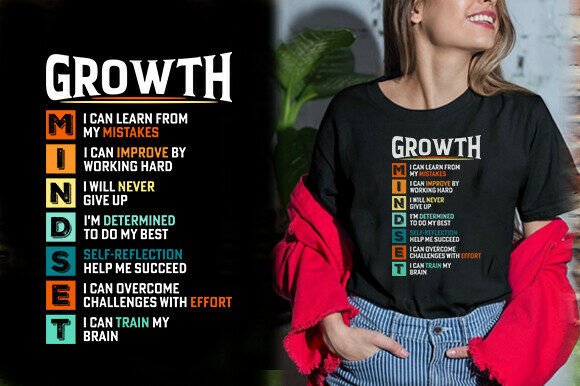
As a designer who has spent countless hours digitizing and testing embroidery files, I approach every new GROWTH MINDSET VECTOR TSHIRT DESIGN with a critical eye. It is not enough for a graphic to look good on a screen; it must survive the needle, the thread, and the wash cycle. When I first opened this file, my immediate impression was one of clean, intentional structure. The layout speaks directly to the current demand for motivational apparel, but from a technical standpoint, it offers something more valuable: versatility.
This design falls squarely into the category of T-Shirt Designs and Graphics, yet its potential extends far beyond basic cotton tees. For embroidery designers, small business owners, and Etsy sellers, the real question is always about application. How does this vector translate when stitched onto textured fabrics? Does it hold up on curved surfaces? In this review, I am evaluating this asset not just as a digital download, but as a functional component of real-world craft business items.
First Impressions and Visual Personality
The mood created by this design is uplifting yet grounded. It avoids the clutter often found in motivational graphics, opting instead for a balanced composition that allows the typography and accompanying elements to breathe. For an embroidery project, this openness is crucial. Dense, overly complex designs can cause puckering, especially on lighter fabrics. The visual personality here suggests confidence and clarity, which aligns perfectly with the "growth mindset" theme.
When considering how this would look after stitching, I appreciate the defined lines. In embroidery, ambiguity is the enemy. If a line is too thin in the digital file, it may disappear under the thread or require excessive density to be visible, which ruins the drape of the fabric. This design appears to have been created with stitchability in mind, offering clear boundaries for satin stitches or clean running stitches depending on the size of the hoop you choose.
Real-World Application: Beyond the T-Shirt
While the title specifies a t-shirt design, my experience tells me that limiting this to apparel is a missed opportunity. I recently worked on a custom order for a boutique client who wanted matching items for a team-building retreat. We used this design on heavy-weight canvas tote bags. The result was exceptional. The sturdy fabric provided a stable base for the stitching, and the motivational message resonated with the corporate audience.
Consider the potential for sweatshirt embroidery. A fleece or French terry fabric adds depth to the design. The texture of the sweatshirt contrasts beautifully with the smooth sheen of rayon or polyester threads, making the letters pop. This is also an excellent candidate for baby embroidery on onesies or bibs, provided you scale it down appropriately. Parents love personalized gifts that carry positive affirmations, and a soft, well-stitched design on organic cotton creates a high-perceived value item.
For those running a small shop product line, think about home goods. An embroidered pillow cover featuring this mindset graphic can serve as subtle nursery decor or a stylish accent in a home office. The key is adapting the scale. What works on a chest pocket may need adjustment for a larger back panel or a small decorative accent on a kitchen towel.
Technical Considerations for Embroiderers
Before loading this digital embroidery file into your machine, there are several practical factors to address. First, consider the hoop size. If you are working with a standard 4x4 inch hoop, you may need to isolate specific elements of the design if it is too large. Always check the dimensions provided in the file description. If those details are not explicitly stated in the product listing, contact the seller or test print the design at 100% scale on paper to ensure it fits your intended garment.
Stitch density is another critical factor. Vector designs sometimes translate into overly dense fill stitches if not properly digitized. High density can cause the fabric to pucker or tear, particularly on thin materials. I recommend running a test stitch-out on scrap fabric similar to your final product. This allows you to adjust tension and check for any thread breaks or nesting issues.
Fabric texture plays a significant role in the final appearance. On smooth fabrics like broadcloth or high-quality t-shirt jersey, the design will look crisp and professional. However, on textured fabrics like linen or waffle knit, some finer details might get lost. In such cases, simplifying the design or using a thicker thread weight can help maintain visibility. For dark fabrics, ensure you have high-contrast thread colors. A white or light gray thread on navy blue creates a striking look, while tonal stitching on black may render the message unreadable.
Navigating Challenges and Limitations
There are scenarios where this design should be used with caution. Curved surfaces, such as caps or hats, require careful placement. The center front of a cap is a small, structured area. If the design is too wide, it will wrap around the curve and distort. Always use a proper stabilizer—cut-away for stretchy fabrics and tear-away for stable woven materials—to support the stitches during and after sewing.
Tiny lettering is always a risk in embroidery. If the design includes small text elements, verify that they are legible at your chosen size. If the letters are too small, they may merge together, creating a blob of thread rather than readable words. In such cases, consider removing the smallest text or replacing it with a simpler icon. Additionally, avoid placing dense stitch areas near seams or hems, as the multiple layers of fabric can cause needle deflection and uneven stitching.
Enhancing Product Value and Brand Consistency
Using a well-executed design like this enhances the perceived value of your handmade product. Customers associate clean, precise embroidery with quality and professionalism. For an Etsy seller or craft business owner, consistency is key. If this design aligns with your brand’s aesthetic, it can become a signature item. Use it in your printable mockups and digital product previews to show customers exactly what they can expect.
The "growth mindset" theme also adds emotional value. It transforms a simple piece of clothing or home decor into a meaningful gift. Whether for holiday embroidery projects, wedding gifts for couples, or personalized products for students, the message resonates. This emotional connection drives buyer engagement and encourages repeat customers.
Practical Designer Notes
- Test before selling: Always stitch out a sample on your actual production fabric. What looks good on cotton may behave differently on polyester blends.
- Check thread contrast: Use a color wheel to select threads that stand out against your fabric background. High contrast improves readability.
- Review stitch density: If the design feels stiff after stitching, reduce the fill density in your editing software if possible, or choose a lighter weight fabric.
- Confirm licensing: Before selling finished items or using this in commercial embroidery projects, verify the license terms. Ensure you have the right to use the design for profit.
- Inspect small details: Zoom in on the digital file to check for stray nodes or overlapping paths that could cause machine errors.
- Mockup versatility: Create mockups on both light and dark backgrounds to showcase the design’s adaptability to potential buyers.
In conclusion, the GROWTH MINDSET VECTOR TSHIRT DESIGN is a robust asset for any embroidery professional. It balances aesthetic appeal with technical practicality, making it suitable for a wide range of applications from custom apparel to home decor. By understanding its strengths and limitations, you can leverage this design to create high-quality, profitable products that resonate with your customers. Remember, the best embroidery is not just about the stitch count; it is about the thoughtful application of design to fabric.