Reviewing the Registered Nurse Vector T-Shirt Design
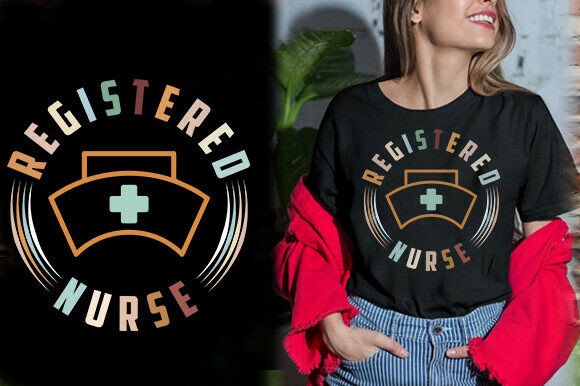
As a designer who has spent years digitizing patterns and reviewing machine embroidery design files for commercial use, I approach every new asset with a critical eye. We often see listings that promise trendy aesthetics but fail to deliver when the needle actually hits the fabric. Today, I am evaluating the REGISTERED NURSE VECTOR TSHIRT DESIGN. This is not just about how it looks on a screen; it is about how it performs as a tangible embroidery project for real-world applications.
The initial impression of this graphic is bold and thematic. It taps directly into the pride and humor often found in nursing culture. For those of us running a craft business or selling on platforms like Etsy, finding designs that resonate emotionally with a specific niche is half the battle. This design appears to balance professional recognition with a touch of personality, making it a strong candidate for personalized gifts and custom apparel. However, the transition from a vector graphic to a stitched reality requires careful consideration of stitch types and density.
Visual Appeal and Stitching Clarity
When I examine the layout of the REGISTERED NURSE VECTOR TSHIRT DESIGN, I look immediately at the line weights and negative space. In embroidery, what you leave unstitched is often as important as what you fill. This design seems to rely on clear shapes, which is advantageous for maintaining clarity. If the original file utilizes heavy fill stitch areas, we must be cautious about puckering, especially on thinner fabrics. Conversely, if it leans towards satin stitch borders and running stitch details, it will lay flatter and feel more premium to the touch.
For an Etsy seller, visual appeal translates directly to buyer engagement. A clean, crisp design suggests professionalism. When this graphic is digitized correctly, it should offer high contrast against various background colors. I recommend testing the design in black and white mockups first. If the details get lost without color, the stitch density may be too high, or the elements may be too small for standard hoops. The goal is to ensure that the "Registered Nurse" theme remains legible even from a distance, such as on a tote bag or a sweatshirt worn in a busy hospital corridor.
Real-World Application Scenarios
Let’s imagine a practical scenario. You have a client requesting a custom gift for a nurse graduating from their program. They want something durable yet stylish. Here is where the versatility of this T-Shirt Designs asset comes into play. While marketed for shirts, this graphic can easily adapt to other mediums.
- Sweatshirt Embroidery: The thicker fabric of a hoodie or crewneck provides an excellent base for heavier stitch counts, allowing the design to pop without sinking into the material.
- Tote Bag Design: Canvas bags are popular for nurses carrying scrubs or books. The sturdy weave supports dense stitching, making this a viable option for a functional handmade product.
- Embroidered Patch: If you digitize this as an applique or a standalone patch, it becomes versatile. Patches can be ironed onto lab coats or jackets, offering a non-permanent customization option that many professionals prefer.
- Baby Embroidery: For a softer touch, scaling down the design for a onesie or baby blanket can create a sweet "future nurse" gift. However, this requires reducing stitch density significantly to keep the fabric soft against sensitive skin.
In each of these cases, the REGISTERED NURSE VECTOR TSHIRT DESIGN serves as the core visual anchor. The key is adapting the technical execution to the substrate. A design that looks great on a stiff denim jacket might look bulky on a lightweight tri-blend tee. Understanding these nuances is what separates a hobbyist from a professional apparel decorator.
Navigating Fabric and Hoop Constraints
Not every surface is created equal. When working with this type of Graphics asset, you must consider the limitations of your equipment and materials. Small hoop sizes, such as 4x4 inches, may require you to crop or simplify the design. If the text "Registered Nurse" is integral to the image, ensure it remains readable at smaller scales. Tiny lettering often turns into a blob of thread if the resolution isn't managed properly during digitization.
Textured fabrics present another challenge. If you are stitching on a waffle-knit towel or a rough canvas, the intricate details of the design might get lost. In these instances, using a stabilizer is non-negotiable. A cut-away stabilizer is usually best for garments that will undergo frequent washing, which is likely for nurse apparel. For stretchy fabrics like performance scrubs, you must use a stabilizer that prevents distortion while allowing the fabric to retain its flexibility.
Dark fabrics require special attention to thread colors. If the design includes light elements, you may need to add an underlay or use a lighter backing thread to prevent the dark fabric from showing through. This is a common oversight in commercial embroidery that can ruin the finished look. Always test on scrap fabric before committing to the final product. This simple step saves time, money, and reputation.
Commercial Viability and Brand Consistency
For small shop product creators, consistency is key. Using a high-quality digital embroidery file ensures that every item you sell meets the same standard. The REGISTERED NURSE VECTOR TSHIRT DESIGN can become a staple in your portfolio if executed well. It appeals to a broad demographic within the healthcare sector, from emergency room staff to pediatric nurses.
When listing this as a personalized gift or custom apparel item, highlight the quality of the stitching in your photos. Close-up shots that show the texture of the satin stitch or the cleanliness of the trim threads build customer trust. Buyers want to know that the item will withstand regular laundering without unraveling or fading. By addressing these concerns proactively in your product description, you enhance the perceived value of your finished product.
Furthermore, consider the licensing terms. The product description mentions experience with Amazon and custom merch, but it does not explicitly state the license type for the digital file. Before selling items made with this design, confirm whether it allows for commercial use. Some designers require an extended license for mass production, while others permit small-batch sales. Protecting your business legally is just as important as the artistic side of the craft.
Final Designer Notes
To get the most out of the REGISTERED NURSE VECTOR TSHIRT DESIGN, follow these practical steps:
- Test on Scrap Fabric: Always run a test stitch-out on the same type of fabric you plan to use for the final item. This reveals any tension issues or density problems.
- Check Thread Contrast: Ensure your thread colors stand out against the fabric. High contrast improves readability and visual impact.
- Review Stitch Density: If the design feels stiff after stitching, reduce the density in your digitizing software. Comfort is crucial for wearable items.
- Confirm Hoop Size: Make sure the design fits within your machine's maximum hoop size without requiring excessive re-hooping, which can lead to alignment errors.
- Inspect Small Details: Zoom in on the digitized file to check for stray stitches or overly complex areas that might cause thread breaks.
In conclusion, this design holds significant potential for holiday embroidery projects, graduation gifts, and everyday wear for healthcare professionals. Its success depends entirely on the skill of the digitizer and the care taken during the stitching process. By treating the REGISTERED NURSE VECTOR TSHIRT DESIGN as a flexible component of your broader design assets library, you can create diverse and profitable products. Whether you are making a single embroidered patch for a friend or a batch of shirts for a local clinic, attention to detail will always elevate your work from good to exceptional.